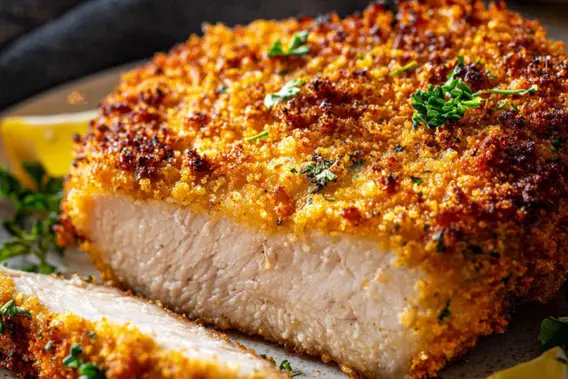
Unleash the Ultimate Crunch: Why Japanese Panko is Key for Ultra-Crispy Baked Pork Chops
For many home cooks, the quest for perfectly crispy pork chops without the mess and added fat of deep-frying has been a long and often frustrating journey. We’ve all been there: hoping for that golden, shattering crunch, only to pull a soggy, disappointingly soft chop from the oven, or worse, one that's dry and tough. The dream of a healthier, baked alternative that rivals its fried counterpart seemed almost impossible—until the culinary world embraced the magic of Japanese panko breadcrumbs. If you've been chasing that elusive, deeply satisfying crunch, understanding the power of panko is your ultimate breakthrough for achieving ultra-crispy baked panko breaded pork chops right in your own kitchen.
This isn't just about swapping out one ingredient for another; it's about unlocking a fundamental secret to texture. The transformation of ordinary pork chops into a golden, unbelievably crispy delight comes down to a specific combination of Japanese panko, a few crucial prep steps, and precise baking techniques. It’s the culmination of countless trials and errors, a journey to recreate that deep-fried texture in a healthier, baked format. The key lies in understanding how panko behaves under dry heat and, critically, how to prevent moisture from turning your crisp into mush. Get ready for perfectly "fried" pork chops, no greasy mess, just pure, crispy perfection every single time.
The Panko Phenomenon: Why Traditional Breadcrumbs Don't Compare
At the heart of every truly crispy baked pork chop is the unparalleled performance of Japanese panko. But what makes it so superior to regular breadcrumbs, and why is it non-negotiable for achieving that coveted ultra-crispy exterior?
- Larger, Flakier Crumb Structure: Unlike dense, finely ground traditional breadcrumbs, panko is made from crustless white bread that is processed into large, airy, sliver-like flakes. This unique structure is crucial. When baked, these larger flakes stand proud, creating more surface area for crisping. Traditional breadcrumbs, being smaller and more uniform, tend to pack together, forming a denser, less airy crust that is more prone to becoming soggy.
- Absorbs Less Oil: Even in baking, where oil is typically minimal, panko's structure plays a role. Its airy nature means it absorbs less oil during the baking process compared to traditional crumbs, which can become greasy. This results in a lighter, cleaner crunch without any heavy, oily residue.
- Superior Dryness: Panko is known for its incredible ability to stay crisp. Because of its light, airy texture, it dries out beautifully in the oven, creating thousands of tiny, crisp pockets that shatter with every bite. This contrasts sharply with regular breadcrumbs, which often absorb moisture from the pork chop itself and turn soft, negating any initial crispness. This superior crisp-holding power is why panko breaded pork chops maintain their delightful crunch long after they come out of the oven.
This isn't just a slight improvement; it's a fundamental shift in texture. Panko's unique properties are the foundational secret to transforming your baked pork chops from merely "breaded" to "ultra-crispy."
Mastering the Prep: Beyond Just Breadcrumbs for Perfect Panko Pork Chops
While Japanese panko is undeniably the star, its performance is amplified by several critical preparation steps. Overlooking these details can be the difference between a good chop and a truly great one.
Choosing Your Pork Chops Wisely
For the best crispy baked panko breaded pork chops, opt for boneless pork chops around 1-inch thick. This thickness is ideal for several reasons:
- Even Cooking: Thinner chops tend to cook too quickly and dry out before the panko has a chance to fully crisp. Thicker chops, while potentially juicier, take longer to cook through, risking a less crispy exterior as they sit in the oven longer.
- Juiciness Retention: A 1-inch chop offers the perfect balance of cook time and moisture retention, ensuring tender, succulent pork on the inside.
The Crucial Pre-Breading Steps
- Patting Dry is Paramount: This cannot be stressed enough. Excess moisture on the surface of your pork chops is the enemy of crispiness. Before any dredging, thoroughly pat the chops dry with paper towels. This creates a prime surface for the breading to adhere and prevents steam from forming a barrier between the panko and the direct heat, which would lead to a soggy crust.
- The Perfect Dredging Station: A classic three-step breading station is essential.
- Flour: A light dusting of seasoned flour (with salt, pepper, and perhaps a pinch of garlic powder or paprika) creates a dry, adhesive layer that helps the egg wash stick.
- Egg Wash: Whisked eggs (you can add a splash of milk or water for a thinner consistency) act as the "glue" for the panko. Ensure the entire chop is coated.
- Panko & Flavor Boost: This is where the magic happens. Mix your Japanese panko with your desired seasonings. Freshly grated Parmesan cheese is a fantastic addition, lending a lovely savory depth and promoting extra golden browning. Dried herbs like oregano, thyme, or rosemary, or even a hint of cayenne for a kick, can elevate the flavor profile of your panko breaded pork chops significantly. Press the panko firmly onto all sides of the chop to ensure maximum coverage.
Baking for Brilliance: Temperature, Space, and Golden Perfection
Once your pork chops are perfectly breaded, the baking process itself requires attention to detail to ensure that glorious, ultra-crispy finish.
Optimal Oven Temperature and Technique
A precise baking temperature is critical. High heat is your ally in crisping. Many successful recipes recommend baking at temperatures between 400-425°F (200-220°C). This high temperature ensures the panko quickly dries out and becomes golden brown before the pork chops overcook. Some chefs even advocate for preheating the baking sheet or a wire rack in the oven before placing the chops on it, providing an immediate burst of heat to the underside and preventing it from steaming.
The Cardinal Rule: Never Overcrowd the Pan
This is arguably one of the biggest mistakes home cooks make. Early on, I'd try to fit too many chops on one sheet pan, thinking I was saving time. What I actually got was steam, not crisp! Overcrowding the pan restricts air circulation around each chop. The moisture escaping from the pork becomes trapped, creating steam instead of allowing the dry heat to crisp the panko. Always leave ample space—at least an inch or two—between each chop on the baking sheet. A wire rack placed on top of a baking sheet is an even better choice, as it elevates the chops, allowing air to circulate completely around them and ensuring every surface gets evenly crispy.
Beyond Basic Baking: Tips for Extra Crispiness and Flavor
- A Light Oil Spray: While we're avoiding deep-frying, a very light mist of cooking spray or a drizzle of olive oil over the breaded chops before baking can encourage a more even golden-brown color and enhanced crispiness. The fat acts as a heat conductor, helping the panko toast beautifully.
- Don't Flip Too Soon: Resist the urge to flip your chops repeatedly. Often, one flip halfway through baking is sufficient, or sometimes none at all if using a wire rack. Flipping too often can disturb the developing crust.
- Resting Period: Once baked to golden perfection, let your panko breaded pork chops rest for a few minutes before serving. This allows the juices to redistribute throughout the meat, ensuring a tender, succulent interior, and also allows the crust to firm up even further.
The Healthier, Satisfying Weeknight Meal
The beauty of perfecting ultra-crispy baked panko breaded pork chops extends beyond just taste and texture. It offers a significantly healthier alternative to traditional fried versions, cutting down on excessive oil while still delivering that nostalgic, satisfying crunch. This simple yet sophisticated weeknight meal can become an instant family favorite, proving that you don't need a deep fryer to achieve culinary greatness.
Whether you're serving them with mashed potatoes, a fresh green salad, or roasted vegetables, these crispy pork chops promise a symphony of crunch on the outside and tender, succulent pork on the inside. The journey from soggy disappointment to crispy perfection is not just a dream—it's a delicious reality, thanks to the magic of Japanese panko and a few clever techniques.
