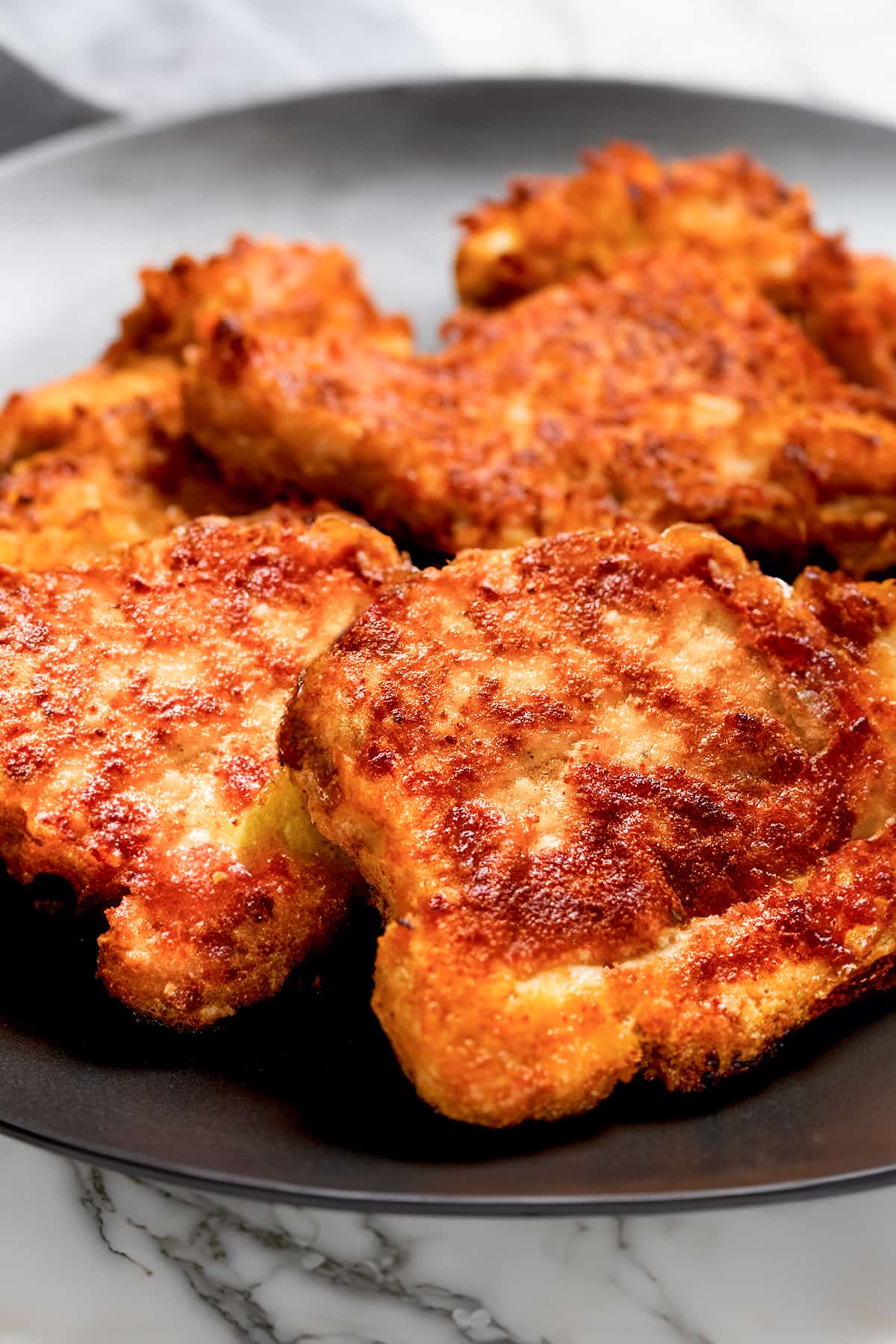
Your Guide to Crispy Baked Panko Pork Chops: No More Soggy Bites!
For many home cooks, the quest for truly crispy pork chops often ends in frustration. We dream of that satisfying crunch reminiscent of deep-fried goodness, but without the mess, the oil, or the guilt. We try baking, pan-frying, even air frying, only to often be met with a disappointing reality: chops that are either stubbornly soggy or distressingly dry. The elusive, perfect crunch, coupled with tender, juicy pork, seems like a myth when relying solely on the oven.
But what if we told you that achieving perfectly crispy panko breaded pork chops right in your own oven isn't just possible, but incredibly straightforward? This isn't just another recipe; it’s a culmination of kitchen wisdom, understanding the science of crispness, and harnessing the unique power of one specific ingredient. Get ready to banish soggy bites forever and welcome a healthier, unbelievably crunchy weeknight meal that will become an instant family favorite.
The Quest for Unrivaled Crispness: Why Most Baked Chops Fall Short
The primary enemy of crispness in baked goods, particularly breaded meats, is moisture. When you place breaded pork chops into an oven, the internal moisture from the meat begins to heat up and turn into steam. If this steam gets trapped, it saturates the breading, turning it limp and soggy. Traditional breadcrumbs, being finer and denser, are more susceptible to this moisture absorption, creating a less effective barrier and a less satisfying texture.
Another common misstep is an inadequate baking temperature or method. Too low a temperature won't encourage the breading to crisp up and brown effectively. Too high, and you risk drying out the pork before the breading reaches its full potential. The key to truly crispy baked panko pork chops lies in creating an environment where the breading can dehydrate and brown quickly, while the pork remains succulent.
The Panko Power-Up: Unlocking Superior Crunch
This is where Japanese panko breadcrumbs enter the stage as our culinary hero. If you’ve been using standard breadcrumbs, prepare for a revelation. Panko isn't just "a bit bigger" as some describe it; it's fundamentally different, and understanding its unique properties is the first step towards perfect, crunchy results.
Why Japanese Panko Reigns Supreme
- Larger, Flakier Crumb: Unlike the dense, fine texture of regular breadcrumbs, panko is made from crustless bread, baked, dried, and then processed into large, airy, irregular flakes. This unique structure creates a multitude of tiny air pockets.
- Increased Surface Area: These larger flakes mean more surface area for heat to hit and for air to circulate around each crumb. This promotes faster drying and crisping, resulting in a significantly more pronounced crunch.
- Reduced Oil Absorption: The airy nature of panko also means it absorbs less oil (even just a light spray or drizzle) than traditional breadcrumbs. This makes your baked panko breaded pork chops feel lighter and less greasy while still delivering exceptional crispness.
- Resilience to Moisture: Its open, porous structure allows steam from the cooking pork to escape more easily. This crucial characteristic helps prevent that dreaded soggy fate that often befalls other breadings in the oven. This is precisely why Japanese Panko is key for ultra-crispy baked pork chops.
Beyond the Basics: Flavoring Your Panko
While panko itself provides exceptional texture, it's also a fantastic canvas for flavor. Don't just use it plain! Elevate your panko breaded pork chops by mixing in a variety of seasonings directly with the crumbs:
- Freshly Grated Parmesan: A non-negotiable for many! It adds a rich, savory, umami depth and contributes significantly to a beautiful golden-brown finish, adding both flavor and crispness.
- Dried Herbs: Italian seasoning, dried thyme, rosemary, or oregano can impart wonderful aromatic notes that complement pork beautifully.
- Spices: Garlic powder, onion powder, smoked paprika for a hint of warmth, a pinch of cayenne for a subtle kick, or even a dash of cumin can transform the flavor profile, making each bite more exciting.
- Salt and Pepper: Always essential, ensure your panko mixture is well-seasoned to bring out the best in your pork.
By infusing your panko with these additions, every bite of your crispy pork chop will be bursting with flavor, complementing the irresistible crunch.
Master the Method: Your Step-by-Step Guide to Crispy Panko Pork Chops
Achieving truly crispy results is a dance between ingredient selection, meticulous preparation, and precise baking technique. Here’s how to master it:
Selecting the Perfect Pork Chop
The foundation of any great dish is quality ingredients. For your crispy panko breaded pork chops, opt for boneless pork chops, ideally around 1-inch thick. Here's why:
- Thickness Matters: Thinner chops (less than ¾-inch) tend to cook too quickly and dry out before the breading can fully crisp. Thicker chops (over 1.25 inches) take longer to cook through, increasing the risk of the breading burning or becoming too dark before the internal temperature is reached. A 1-inch chop offers the perfect balance, ensuring a juicy interior and ample time for the panko to brown beautifully.
- Boneless Advantage: While bone-in chops offer excellent flavor, boneless varieties cook more evenly and are generally easier to manage for this specific breading method.
- Pat Them Dry: Regardless of thickness, always pat your pork chops thoroughly dry with paper towels before breading. Excess surface moisture is the enemy of adhesion and crispness, creating a barrier between the pork and the breading.
The "Secret Prep Step" Revealed: Ensuring Maximum Adhesion and Crispness
The key to preventing sogginess and maximizing crunch isn't a single magical ingredient, but a combination of thoughtful, precise steps:
- The Dredging Station: Set up a classic three-stage breading station for efficiency and thoroughness:
- Flour: A shallow dish with seasoned all-purpose flour. This creates a dry surface for the egg to adhere to effectively.
- Egg Wash: A second shallow dish with 2-3 beaten eggs (depending on chop quantity) combined with a splash of milk or water. This liquid acts as the crucial "glue" for the panko.
- Seasoned Panko: Your third shallow dish, containing the Japanese panko mixed with Parmesan, herbs, and spices (as discussed above).
- The Pressing Technique: After dipping each chop first in flour (shaking off excess), then in the egg wash (allowing excess to drip off), transfer it to the panko mixture. Instead of just rolling, gently but firmly press the panko onto both sides of the chop. Ensure every inch is covered, really embedding the crumbs into the surface. The more panko that adheres, the crispier your chop will be. Don't be shy – pressing firmly creates a robust, even coating.
- A Light Oil Kiss: For that golden, "fried" look and extra crunch, lightly spray or drizzle a tiny amount of olive oil or cooking spray evenly over the breaded chops just before baking. This helps the panko toast beautifully and adds to the crispy texture without the need for deep-frying.
The Goldilocks Zone: Temperature and Technique
Once your chops are perfectly breaded, the oven environment is paramount to achieving that coveted crunch:
- High Heat is Your Friend: Preheat your oven to a robust 400-425°F (200-220°C). This high temperature is crucial for encouraging the Maillard reaction (the chemical reaction responsible for browning and flavor development) and rapidly drying out the panko.
- Preheat the Baking Sheet: For an even crispier bottom crust, place your baking sheet (preferably lined with parchment paper for easy cleanup) into the oven while it preheats. This provides an instant sear when the chops hit the hot surface, kickstarting the crisping process on the underside.
- The Golden Rule: Never Overcrowd the Pan! This is perhaps the single most important piece of advice from experienced cooks, and it's where many attempts at crispy baked items fail. As the reference context correctly points out, "What I actually got was steam, not crisp!" When you crowd chops onto a single pan, moisture released from the meat has nowhere to go. It gets trapped, creating steam that cooks and softens the breading instead of crisping it. Always leave ample space between each chop – air circulation is your best friend for maximum crispness. If necessary, use two baking sheets.
- Use a Wire Rack (Optional, but Recommended): For ultimate all-around crispness, place your breaded chops on a wire rack set inside a baking sheet. This elevates the chops, allowing hot air to circulate completely around them, ensuring both the top and bottom get equally crispy.
Common Pitfalls and How to Avoid Them
Even with the best intentions, a few missteps can derail your crispy pork chop dreams. Here’s how to sidestep them:
The Dreaded Soggy Bottom
This usually stems from two issues: overcrowding and lack of air circulation underneath. Ensure plenty of space between chops and, if possible, use a wire rack. If you're baking directly on parchment paper without a rack, consider flipping the chops halfway through cooking to expose both sides to direct heat, though a wire rack is superior for consistent crispness.
Dry Pork Chops: A Culinary Tragedy
While striving for crispness, never sacrifice the juiciness of the pork. The primary cause of dry pork chops is overcooking. Pork chops are best when cooked to an internal temperature of 145°F (63°C), followed by a 3-5 minute rest. Use an instant-read meat thermometer inserted into the thickest part of the chop (avoiding the bone) to monitor doneness. They will continue to cook slightly during the resting period, ensuring they remain tender and juicy.
By following these detailed steps – from selecting the right pork and the superior Japanese panko, to meticulous breading and precise oven technique – you are well on your way to creating consistently perfect, incredibly crispy panko breaded pork chops. Say goodbye to soggy, dry disappointments and hello to a symphony of crunch and tenderness in every single bite!
