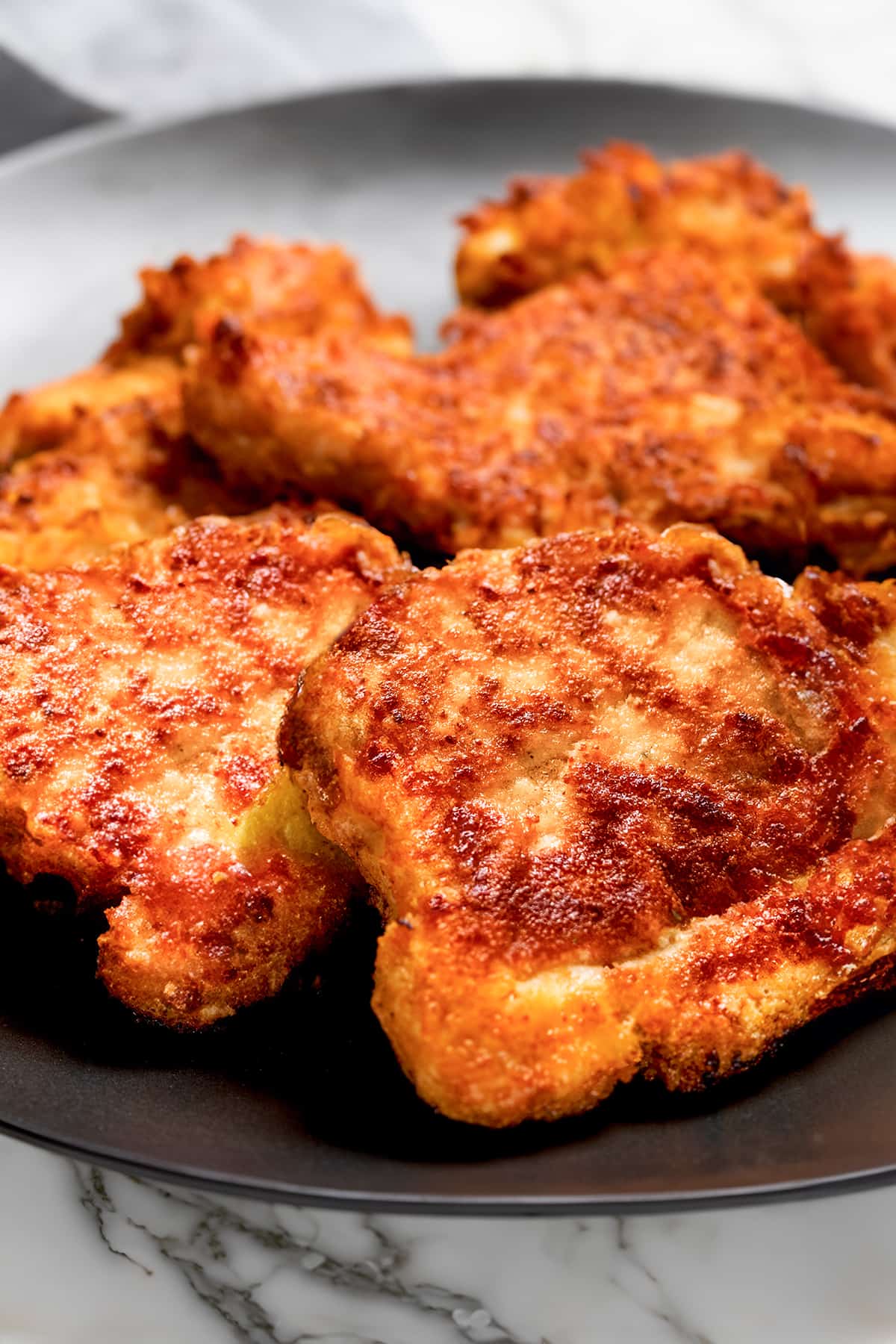
The Quest for the Perfect Crunch: Why Baked Panko Breaded Pork Chops Reign Supreme
For many home cooks, the dream of achieving that coveted deep-fried crunch on pork chops, without the associated grease and mess, has felt like an elusive culinary unicorn. We've all been there: experimenting with various methods – pan-frying, shallow-frying, even the trendy air fryer – only to be met with results that are either disappointingly soggy, or conversely, bone-dry and lacking that satisfying texture. The nostalgia for truly crispy, juicy pork is strong, but the desire for a healthier, less laborious preparation is equally compelling. This struggle often culminates in a breakthrough moment, a specific methodology that transforms ordinary cuts into extraordinary culinary delights.
The secret lies not just in the ingredients, but in understanding their synergy and applying precise techniques. This isn't merely about following a recipe; it's the culmination of countless trials and errors, a journey to recreate that irresistible deep-fried texture in a healthier, oven-baked format. The key to unlock the magic of truly crispy panko breaded pork chops is deeply rooted in how the right breading behaves under dry heat, meticulously preventing moisture from sabotaging your quest for crisp perfection. Get ready to discover a simple yet sophisticated approach that promises perfectly "fried" pork chops, boasting a symphony of crunch on the outside and incredibly tender, succulent pork within, every single time.
Mastering the Art of Panko: Essential Ingredients for Flawless Panko Breaded Pork Chops
Crafting the ultimate crispy baked panko breaded pork chops begins with selecting the right components. Each ingredient plays a pivotal role in achieving that elusive perfect balance of texture and flavor.
1. The Ideal Pork Chop
- Boneless Chops: While bone-in chops offer great flavor, boneless varieties are easier to work with for even breading and consistent cooking.
- Thickness Matters: Aim for boneless pork chops around 1-inch thick. This dimension is crucial. Thinner chops tend to dry out rapidly in the oven before the panko has a chance to fully crisp. Conversely, thicker chops require longer cooking times, risking a less crispy exterior or an overcooked interior. If your chops are thicker than 1-inch, consider pounding them gently between two sheets of plastic wrap to an even 1-inch thickness using a meat mallet. This also helps tenderize the meat.
2. The Non-Negotiable: Japanese Panko Breadcrumbs
This is where many home cooks make their first crucial mistake. Traditional breadcrumbs, while common, simply cannot replicate the superior crispiness of Japanese panko. Japanese-style panko breadcrumbs are fundamentally different:
- Larger and Flakier: Unlike their denser, finer counterparts, panko crumbs are distinctly larger and boast a lighter, airier texture. This unique structure provides significantly more surface area.
- Superior Absorbency (and Release): Their porous nature allows them to absorb moisture (like from the egg wash) effectively and then release it during baking, leaving behind an incredibly light, crunchy shell rather than a dense, heavy coating. This also means they absorb less oil than traditional breadcrumbs, contributing to a healthier final product.
- Unrivaled Crunch: The result is an unbelievably crispy, almost shattering crust that delivers that satisfying "fried" sensation without a drop of excess oil. For a deeper dive into why this ingredient is a game-changer, check out Why Japanese Panko is Key for Ultra-Crispy Baked Pork Chops.
3. Flavor Enhancers and Binders
- Freshly Grated Parmesan Cheese: Beyond its delightful savory depth, Parmesan cheese contributes to a beautiful golden-brown finish during baking. Its natural oils help create an even crispier crust and add a subtle, nutty complexity.
- Flour: A light dredge in all-purpose flour before the egg wash helps create a dry surface for the egg to adhere to, ensuring a strong bond for the panko.
- Eggs: The essential binder. Beaten eggs provide the sticky surface that allows the panko to cling securely to the pork chops.
- Seasonings: Don't underestimate the power of a well-seasoned breading. Beyond salt and freshly ground black pepper, consider adding garlic powder, onion powder, smoked paprika, a pinch of cayenne for a subtle kick, or dried herbs like oregano, thyme, or a poultry seasoning blend. Mixing these directly into your panko will infuse every bite with flavor.
- A Touch of Oil (Spray): A light spritz of olive oil or avocado oil spray over the breaded chops just before baking is a simple yet powerful "secret." It helps the panko toast evenly to a golden-brown perfection, mimicking the browning achieved in frying.
The Game-Changing Technique: From Prep to Plate
With your ingredients ready, it's time to unlock the truly transformative techniques that elevate your panko breaded pork chops from good to unforgettable.
The Critical Prep Steps
- Pat Dry, Thoroughly: This is arguably the most crucial "secret" step. Excess moisture on the pork chop's surface is the arch-nemesis of crispiness, as it creates steam rather than encouraging a crisp crust. Before seasoning or breading, use paper towels to pat your pork chops absolutely dry on all sides. Don't skip this!
- The Breading Station Setup: Organize your workspace into a classic three-stage breading station. Set up three shallow dishes:
- Dish 1: All-purpose flour seasoned with salt and pepper.
- Dish 2: Beaten eggs (2-3, depending on number of chops).
- Dish 3: Japanese panko breadcrumbs mixed with freshly grated Parmesan cheese and your chosen seasonings (garlic powder, paprika, herbs, etc.).
- The Breading Process: Work with one pork chop at a time.
- First, dredge the chop lightly in the seasoned flour, shaking off any excess.
- Next, dip it into the beaten egg, ensuring it's fully coated, then let any excess drip off.
- Finally, press the chop firmly into the seasoned panko mixture, ensuring the panko adheres generously to all sides. Give it a good, firm press to create a thick, even crust.
Baking for Optimal Crispness and Juiciness
- Preheat to Perfection: Preheat your oven to a robust 400-425°F (200-220°C). A high initial temperature is key for an immediate sizzle and crisping action on the panko.
- The Wire Rack Advantage: Always bake your breaded pork chops on a wire rack set inside a baking sheet. This ingenious setup allows hot air to circulate completely around the chops, crisping the bottom as effectively as the top and preventing any sogginess. Line the baking sheet below the rack with foil or parchment for easier cleanup.
- The Oil Spritz: Once your breaded chops are on the wire rack, give them a light, even spray with olive oil or avocado oil. This provides just enough fat to promote golden-brown, shattering crispness without deep-frying.
- Baking Time: Bake for approximately 15-20 minutes, flipping halfway through. The exact time will depend on your oven and the chops' precise thickness. The chops are done when the internal temperature reaches 145°F (63°C) with a meat thermometer. The panko should be deeply golden and incredibly crispy.
- Rest Before Serving: Once cooked, remove the chops from the oven and let them rest on a cutting board for 5 minutes. This allows the juices to redistribute, ensuring every bite is tender and succulent.
Common Pitfalls and How to Avoid Them
Even with the best ingredients and techniques, minor missteps can derail your quest for crispy, juicy baked panko breaded pork chops. Here are the biggest mistakes to avoid:
- Overcrowding the Pan: This is perhaps the most common and detrimental error. Early in my cooking journey, I'd try to fit too many chops onto one baking sheet to save time. What I actually got was steam, not crisp! When chops are too close together, they release moisture into the confined space, creating a steamy environment that prevents the panko from crisping. Always leave ample space (at least 1-2 inches) between each chop. If necessary, use two baking sheets. Air circulation truly is your best friend for maximum crispiness.
- Skipping the Wire Rack: Baking directly on a flat sheet pan seals off the bottom surface, trapping moisture and leading to a soggy underside. The wire rack is non-negotiable for all-around crispness.
- Not Patting the Pork Dry: As emphasized earlier, residual moisture on the pork surface will steam rather than crisp, resulting in a soft, lackluster crust. Be diligent with those paper towels!
- Too Low a Baking Temperature: A timid oven temperature won't give the panko the immediate, high heat it needs to crisp up before the pork overcooks. Stick to that 400-425°F range.
- Under-Seasoning: While the panko provides texture, flavor comes from within. Ensure your pork chops themselves are seasoned with salt and pepper before breading, and don't skimp on the seasonings mixed into your panko. A bland chop, no matter how crispy, is a disappointment.
- Using the Wrong Breadcrumbs: If it's not Japanese panko, you won't get the same results. Accept no substitutes for that superior crunch!
Conclusion
Unlocking the secret to truly crispy baked panko breaded pork chops isn't about complex culinary wizardry; it's about understanding a few fundamental principles and executing them with precision. From selecting the right 1-inch boneless chops and insisting on Japanese panko, to the crucial step of thoroughly patting dry and utilizing a wire rack with optimal oven temperature, every detail contributes to the masterpiece. This method promises a simple yet sophisticated weeknight meal that will undoubtedly become an instant family favorite – a testament to how healthy, baked dishes can rival, and often surpass, their fried counterparts in flavor and texture. Embrace these techniques, and get ready to enjoy perfectly crispy, incredibly juicy pork chops, free from greasy mess, every single time.
